
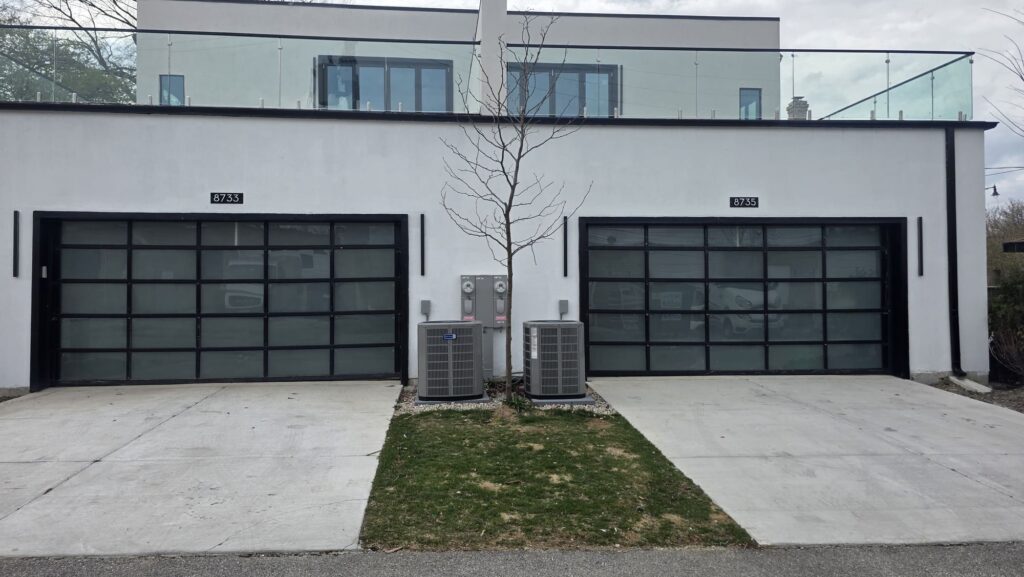
Your garage door is one of the largest moving systems in your home. It opens and closes several times a day, which means its springs, cables, rollers, tracks, and opener experience regular wear.
Routine maintenance can help keep the system operating smoothly, improve safety, and reduce the risk of unexpected breakdowns. While some basic checks can be performed by homeowners, repairs involving springs, cables, or other high-tension components should always be left to a qualified garage door technician.
Use these garage door maintenance tips to help protect your system and identify problems early.
1. Listen for New or Unusual Noises
Pay attention to how your garage door sounds during operation.
A healthy garage door should move smoothly without excessive grinding, scraping, popping, or banging. New noises may indicate worn rollers, loose hardware, damaged components, or a lack of lubrication.
If the noise continues after basic maintenance, schedule a professional inspection.
2. Inspect the Rollers and Tracks
Look along both sides of the garage door for visible damage, dirt, or obstructions.
Check the rollers for cracks, excessive wear, or signs that they are no longer moving smoothly. Inspect the tracks for dents, bends, or loose mounting brackets.
Do not attempt to straighten damaged tracks yourself. Improper adjustments can cause the door to become misaligned or come off the track.

3. Check the Garage Door Hardware
The repeated movement of a garage door can gradually loosen nuts, bolts, and brackets.
Visually inspect the hardware around the door and look for loose or damaged parts. If you notice anything that appears broken, bent, or unstable, contact a professional technician rather than attempting a major adjustment.
4. Keep Moving Parts Properly Lubricated
Proper lubrication can reduce friction and help moving components operate more quietly.
Use a garage-door-safe lubricant on appropriate moving parts, such as rollers, hinges, and certain spring components. Avoid applying heavy grease to the tracks because it can collect dirt and create additional problems.
Always follow the manufacturer’s recommendations for your specific garage door system.
5. Test the Door Balance
A properly balanced garage door should not feel excessively heavy.
To perform a basic balance check, disconnect the garage door opener according to the manufacturer’s instructions and carefully move the door by hand. The door should remain relatively stable when partially open.
If the door quickly falls, rises on its own, or feels unusually heavy, the spring system may need professional adjustment or repair.
Never attempt to adjust or replace garage door springs yourself.
6. Test the Auto-Reverse Safety Feature
Modern garage door openers include an auto-reverse safety system designed to prevent the door from closing on an object.
Place a small object on the floor beneath the garage door and close the door using the opener. The door should reverse after contacting the object.
If the door does not reverse, stop using the opener until the safety system has been inspected and repaired.
7. Clean and Check the Safety Sensors
Garage door safety sensors are located near the bottom of the tracks. They use an invisible beam to detect objects in the path of the closing door.
Dust, dirt, spider webs, or misalignment can interfere with the sensors.
Gently clean the sensor lenses and make sure both sensors are properly aligned. If the opener continues to malfunction, a technician can inspect the wiring and sensor system.
8. Inspect the Weather Stripping
The weather seal along the bottom and sides of the garage door helps keep out rain, dirt, insects, and drafts.
Look for cracks, gaps, brittle sections, or areas where the seal no longer makes contact with the floor. Replacing worn weather stripping can improve protection and help maintain a cleaner, more comfortable garage.
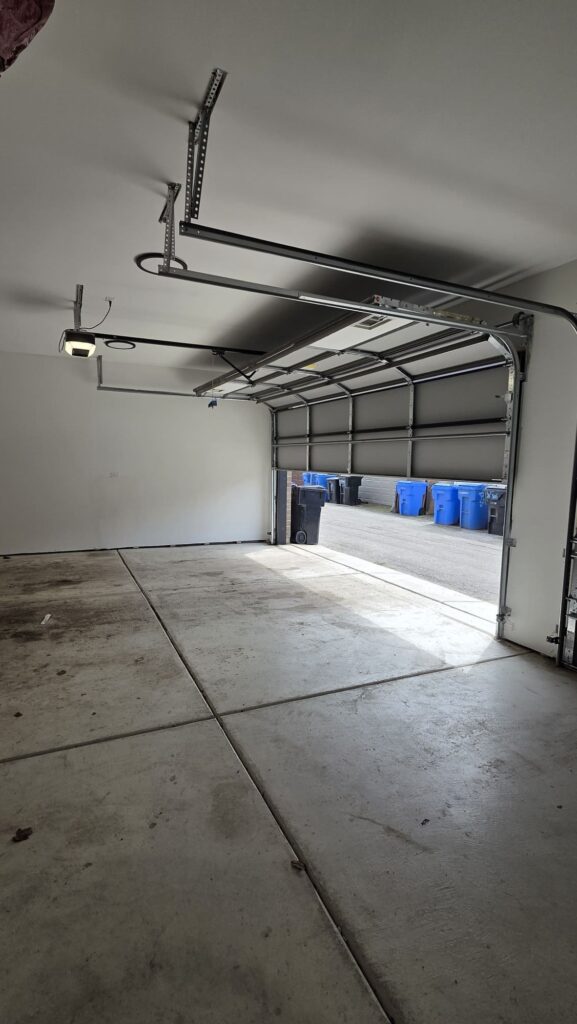
9. Watch the Cables and Springs From a Safe Distance
Regular visual inspections can help you notice signs of wear.
Look for frayed cables, loose components, visible gaps in torsion springs, or damaged extension springs. Do not touch, tighten, or attempt to reposition these parts.
Garage door springs and cables are under high tension and should only be repaired or replaced by trained professionals.
10. Schedule Professional Garage Door Maintenance
A professional garage door inspection can identify problems that may not be visible during a basic homeowner check.
A technician can inspect the springs, cables, rollers, tracks, hinges, opener, safety sensors, and other components. Regular service can help extend the life of your garage door and reduce the chance of an unexpected breakdown.
Keep Your Garage Door Working Reliably
Simple maintenance habits can help your garage door stay quieter, safer, and more dependable. Paying attention to unusual sounds, testing safety features, and scheduling professional service when needed can prevent minor issues from becoming larger repairs.
If your garage door is noisy, moving unevenly, struggling to open, or showing signs of wear, Norman Garage Door Repair Pro is ready to help. Our team provides professional garage door repair, maintenance, installation, spring repair, cable repair, and emergency service throughout Chicago and surrounding areas.
Contact us today to schedule a professional garage door inspection or repair service.
Frequently Asked Questions About Garage Door Maintenance
1. How often should I perform garage door maintenance?
Basic garage door maintenance should be performed regularly throughout the year, with a more thorough inspection at least once or twice annually. Checking the hardware, rollers, tracks, weather seals, and safety features can help identify small problems before they turn into costly repairs.
2. What garage door maintenance tasks can I do myself?
Homeowners can safely complete simple tasks such as cleaning the tracks, inspecting the weatherstripping, tightening loose hardware, and testing the garage door opener’s safety reversal feature. Avoid adjusting or repairing springs, cables, or other high-tension components, as these should be handled by a trained garage door technician.
3. Why is regular garage door maintenance important?
Regular maintenance helps keep your garage door operating smoothly, improves safety, reduces wear on important components, and may extend the lifespan of the entire system. It can also help prevent unexpected breakdowns and reduce the risk of expensive repairs.